


Why Addressing Pain Starts from the Ground Up
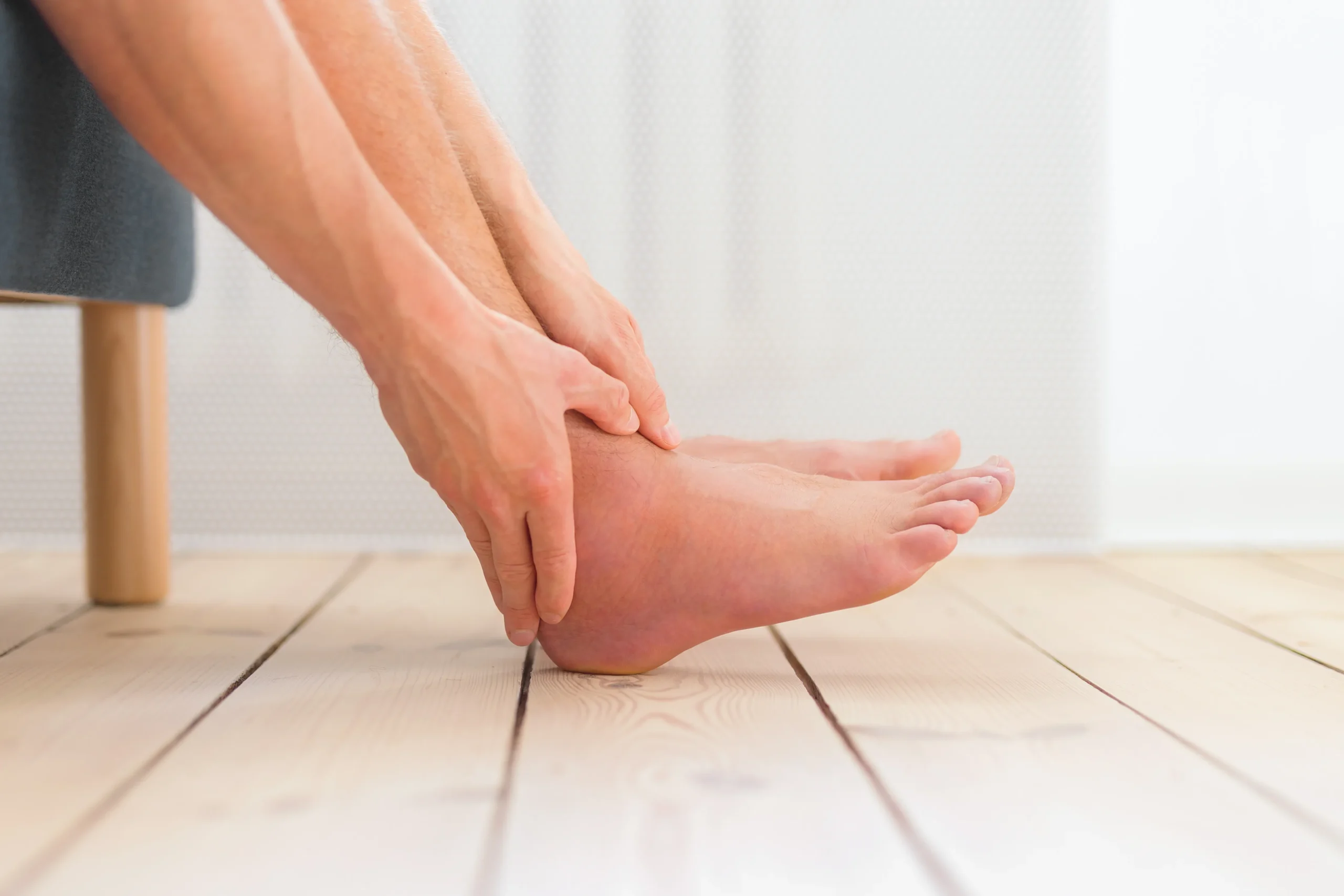
Most people don’t think about their feet until something starts to hurt. But the truth is, your feet are the foundation of every step, squat, and stride you take. When something is off at ground level, the effects can travel upward, leading to pain in your knees, hips, or even your back.
If you’ve been chasing pain in one area without lasting relief, it may be time to look lower–and that’s where the Chiron Physical Therapy team can help.
Our Patients Are Seeing Results
“I highly recommend Chiron Physical Therapy of VA. I am currently seeing them due to a fractured bone in my foot and after two sessions the swelling and pain has reduced significantly. I have been told I am almost all done and even wore a pair of heels for several hours with no pain.”
-Cindy G.
Looking at the Ways Your Body is Connected
Walking involves your entire body, not just your feet. That means that every time you take a step, movement in one joint affects movement in another.
- Your foot hits the ground
- Your ankle absorbs and transfers force
- Your knee and hip respond to that motion
- Your spine adjusts to keep you balanced
If the foot or ankle isn’t moving well, everything above it must compensate. For example, limited ankle mobility can cause the knee to collapse inward, while poor foot stability can alter hip alignment.
Over time, these small issues in your feet can lead to pain or tightness in your knees, hips, or lower back. To address this pain long-term, you’ll need to address the root cause, which often lies in the foot and ankle.

Common Foot and Ankle Problems That Affect the Whole Body
Plantar Fasciitis
Plantar fasciitis causes pain and restriction in the thick band of tissue that runs along the bottom of the foot, which can alter your gait, leading to strain on your knees and hips.
Ankle Stiffness
A reduced ability to bend the ankle forward often leads to compensations like early heel rise or excessive pronation.
Flat Feet or High Arches
Both of these issues can affect how force is distributed through the body. Flat feet can lead to instability, while high arches can reduce shock absorption.
Chronic Ankle Instability
Repeated ankle sprains can leave the joint feeling weak or unstable, which increases the risk of altered movement and injury elsewhere.
Tendon Irritation
Conditions like Achilles tendinopathy (pain and stiffness in the back of the ankle) can limit push-off strength and change walking mechanics.
How We Help Address Foot and Ankle Issues
At Chiron Physical Therapy, we always start with a detailed movement assessment to help us identify the actual root of your pain, not just where it hurts. From there, we’ll create a tailored treatment program to improve ankle mobility, foot strength, and movement control. This helps:
- Reduce stress on the knees and hips
- Improve balance and stability
- Enhance walking and running efficiency
- Decrease pain in multiple regions, not just the foot

Treatment Strategies We Use in Our Care Plans
Manual Therapy
Several hands-on techniques improve joint and soft-tissue mobility, enhancing movement quality and reducing pain.
Advanced Modalities
In some cases, we may recommend more advanced treatments to support recovery and reduce pain, such as electrical stimulation to activate muscles or laser therapy to assist tissue healing.
Therapeutic Exercise
We’ll guide you through specific exercises to improve strength, control, and coordination, including:
- Strengthening the small stabilizing muscles in the foot
- Calf and ankle mobility work
- Hip and core strengthening to support alignment
Neuromuscular Re-education (Neubie)
The client would like to start subtly introducing the Neubie terminology into their messaging throughout the year without making it feel too heavy or overly promotional at this stage. Everything else in this section can remain the same.
Custom Orthotics and Footwear Guidance
We offer custom orthotics to manage tissue loading, improve foot alignment, and improve movement efficiency while maintaining natural foot function. Custom orthotics are devices that are individually created to uniquely fit your feet. They resemble insoles but are specifically crafted and made of materials that will last longer than prefabricated orthotics. They are sometimes referred to as prescription glasses for each of your feet.
Education for Long-Term Success
Several simple habits can support foot health. We’ll show you strategies to manage load and avoid flare-ups and provide you with tips to safely ease back into activity without overloading your tissues.
Take the First Step Toward Better Movement
Pain doesn’t always start where you feel it. By looking at how your body moves from the ground up, you can uncover the real cause and make lasting changes. If you’ve been dealing with ongoing discomfort, a full-body movement assessment with the team at Chiron Physical Therapy can provide the clarity you need and a plan to move forward with confidence. Call us today to get started.

Single-leg balance is essential for improving stability and walking (gait), as we briefly stand on one leg with every step. Strengthening this position can help reduce fall risk and improve confidence with movement.
-
1Stand with your hands on the back of a chair, countertop, or wall for support.
-
2Slowly lift one foot so your weight is on the opposite leg.
-
3Keep your posture tall and steady.
-
4Hold for 20–30 seconds and gradually increase time as your balance improves.

Grilled Chicken & Sweet Potato Bowl
A balanced, protein-packed meal designed to support muscle recovery, reduce inflammation, and keep your energy steady throughout the day.
Ingredients
- 2 boneless chicken breasts
- 2 medium sweet potatoes, cubed
- 1 cup broccoli florets
- 1/2 avocado, sliced
- 1 tbsp olive oil
- 1 tsp paprika
- 1/2 tsp garlic powder
- Salt & pepper to taste
Instructions
- Preheat oven to 400°F. Toss sweet potatoes with olive oil, salt, and pepper, then roast for 20–25 minutes.
- Season chicken with paprika, garlic powder, salt, and pepper.
- Grill or pan-cook chicken for 6–7 minutes per side until fully cooked.
- Steam or sauté broccoli until tender.
- Assemble bowls with sweet potatoes, chicken, broccoli, and avocado.
Staff Spotlight
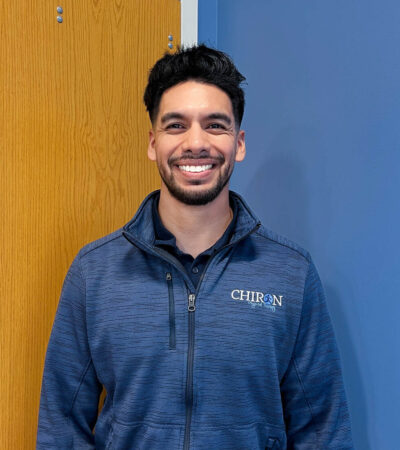
Bryan Diaz is passionate about helping patients move better, feel stronger, and return to the activities they enjoy most. His approach to physical therapy combines evidence-based treatment with individualized care to ensure every patient feels supported throughout their rehabilitation journey.
Bryan earned his Doctor of Physical Therapy degree and has experience treating a wide variety of orthopedic and sports-related conditions. He enjoys working with patients of all activity levels and focuses on creating treatment plans that are both effective and empowering.
Bryan values building strong relationships with his patients and creating a positive, encouraging environment in the clinic. Outside of work, he enjoys staying active, spending time with friends and family, and continuing to grow professionally through ongoing education and training.
How Custom Orthotics Can Help You Move Better
As we explored, your body will find a workaround when there’s a problem in your feet and ankles, and those compensations can cause problems in the long run. Fortunately, custom orthotics at Chiron Physical Therapy offer a simple way to improve how your feet move—and how your body moves above them.
What Are Custom Orthotics?
Custom orthotics are medical-grade inserts made to match your foot shape and movement pattern. Unlike store-bought insoles, they’re designed based on a detailed assessment of your foot mechanics. When used appropriately, they can:
- Optimize tissue loading and improve foot and ankle alignment
- Control excessive pronation
- Improve shock absorption
- Support proper ankle motion
- Reduce stress to knees and hips
These benefits often lead to less pain and more efficient movement.
The Best Results Come from a Combined Approach
That said, we rarely use orthotics on their own, as they work best alongside active treatment. We typically pair them with strengthening exercises, balance training, and strategies to protect your feet long-term. This approach helps your body adapt rather than relying solely on passive support and avoiding long-term orthotic dependency.
When Do We Recommend Custom Orthotics?
Orthotics are often used as part of a broader plan of care for:
- Plantar fasciitis
- Achilles tendinopathy (pain and stiffness in the back of the ankle)
- Patellofemoral pain
- Flat feet or high arches
- Lower back discomfort linked to movement issues

Discover If a Custom Orthotic Is Right For You
Schedule an appointment for a movement assessment at Chiron Physical Therapy today. We’ll let you know if a custom orthotic would fit into your care plan!
Schedule Appointment